Why You Need a VPN for Real Security - Not Just Privacy
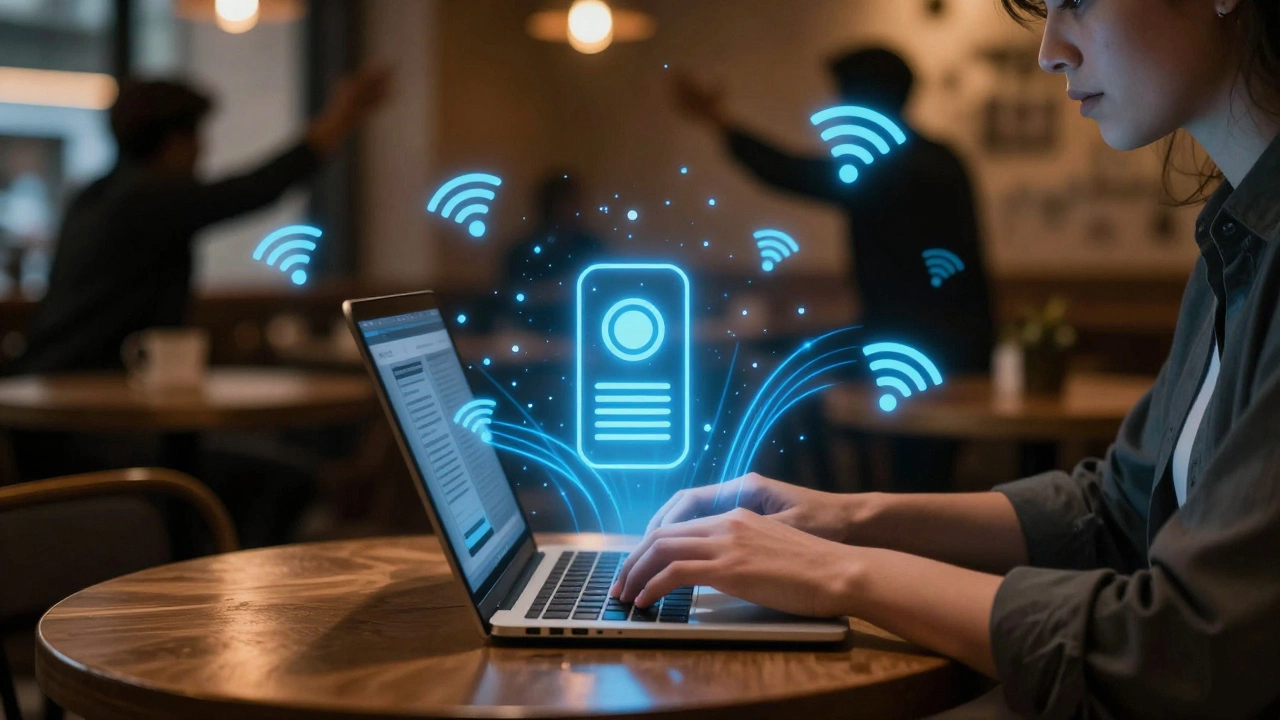
Most people think a VPN is just for hiding what they watch online. That’s not even close to the truth. A real VPN doesn’t just mask your location - it stops strangers from watching your every move online. If you’re using public Wi-Fi at a café, logging into your bank app on your phone, or even just checking email on a hotel network, you’re sending data through open air. Anyone with the right tools can grab it. And no, your password isn’t safe just because the site says ‘HTTPS.’ That only protects the last leg of the journey. What happens before that? That’s where a VPN comes in.
It’s easy to get distracted by flashy ads promising anonymity for streaming Netflix or bypassing geo-blocks. But those aren’t the real reasons you need one. Think about this: your ISP knows every site you visit. Your employer can track your activity if you’re on a company device. Even governments can demand logs from providers - unless you’re using a no-logs VPN based in a country that doesn’t force them to keep records. And yes, if you’re in a place where online freedom is restricted, a good VPN isn’t a luxury - it’s a necessity. For example, some users in restrictive regions rely on encrypted tunnels just to access news sites or communicate safely. It’s not about being shady. It’s about being smart. If you’ve ever searched for chinese escort dubai, you know how quickly your browser starts showing unrelated ads. That’s not coincidence. That’s tracking. A VPN stops that kind of profiling before it starts.
What a VPN Actually Does - No Fluff
A VPN creates a secure tunnel between your device and the internet. All your traffic gets encrypted - meaning it turns into unreadable code until it reaches the VPN server. Then, it exits that server and goes to its final destination. To websites, it looks like you’re browsing from wherever the server is. To hackers, your data is useless.
Here’s what that looks like in practice:
- You open your browser to check your email
- Your device connects to the VPN server in Germany
- Your request is encrypted and sent through that tunnel
- The German server forwards your request to Gmail
- Gmail sees the request coming from Germany, not your home in Wellington
- Your ISP only sees encrypted data going to a single IP address - not which sites you visited
This isn’t magic. It’s basic network security. But most people don’t realize how much of their digital life is exposed without it.
Why Free VPNs Are a Trap
You’ve seen them: ‘Free VPN - Unlimited Bandwidth!’ ‘No Logs!’ ‘Fast Speeds!’ They sound too good to be true. And they are.
Free VPNs make money by selling your data. They log your activity, track your clicks, and sell it to advertisers. Some even inject ads into your browsing. Others have been caught installing malware. A 2023 study by the CSIRO found that 84% of free Android VPN apps collected personal data - and 37% of them sent it to servers in China or Russia. That’s not privacy. That’s the opposite.
If you’re not paying for it, you’re the product. And if you’re using a free VPN to protect your finances, health records, or private messages - you’re just handing your secrets to strangers.
What to Look For in a Real VPN
Not all VPNs are created equal. Here’s what actually matters:
- No-logs policy - Verified by independent audits. Not just a claim on their website.
- Strong encryption - At least AES-256. Anything less is outdated.
- Kill switch - If the connection drops, your real IP shouldn’t be exposed.
- Server locations - You want options. Not just 3 servers in the U.S.
- Open-source apps - Code you can check. No hidden backdoors.
- Payment anonymity - Can you pay with crypto or gift cards? That’s a good sign.
Look for services that have been independently tested by groups like Trustwave or Cure53. Avoid anything that doesn’t publish audit reports. If they’re proud of their security, they’ll show you the proof.

Real-World Scenarios Where a VPN Saves You
Here are three situations where a VPN isn’t optional:
- Traveling abroad - You connect to airport Wi-Fi to book a hotel. Someone on the same network sniffs your login. With a VPN, your credentials stay locked up.
- Working remotely - You access your company’s internal system from a coffee shop. Without encryption, your corporate data is wide open. Many businesses now require employees to use a corporate VPN for exactly this reason.
- Using public devices - You borrow a laptop at a library to check your bank balance. Malware could be hiding there. A VPN won’t stop malware, but it will stop anyone from intercepting your session.
And yes - if you’re in Dubai and you’re searching for chinese escort dubai, your browsing habits are being tracked. Even if you delete your history, your ISP and third-party trackers still have a record. A VPN erases that trail before it’s even written.
Myths That Keep People From Using a VPN
Let’s clear up some lies you’ve probably heard:
- ‘VPNs slow down your internet’ - True for bad ones. Good ones use modern protocols like WireGuard that are faster than regular connections. Some even improve speed by bypassing ISP throttling.
- ‘I’m not a target’ - You don’t have to be a journalist or activist to be watched. Every click you make is data. Companies build profiles on you to sell ads. Banks flag unusual logins. Governments monitor dissent. You don’t need to be doing anything illegal to deserve privacy.
- ‘HTTPS is enough’ - HTTPS protects the connection between you and the website. It doesn’t hide which website you’re visiting. Your ISP still knows you went to PayPal, Reddit, or your bank. A VPN hides that too.
And if you think ‘I’ve got nothing to hide,’ ask yourself - why do you lock your front door? Why do you use a PIN on your phone? Privacy isn’t about hiding crime. It’s about controlling who gets access to your life.
What Happens If You Don’t Use One?
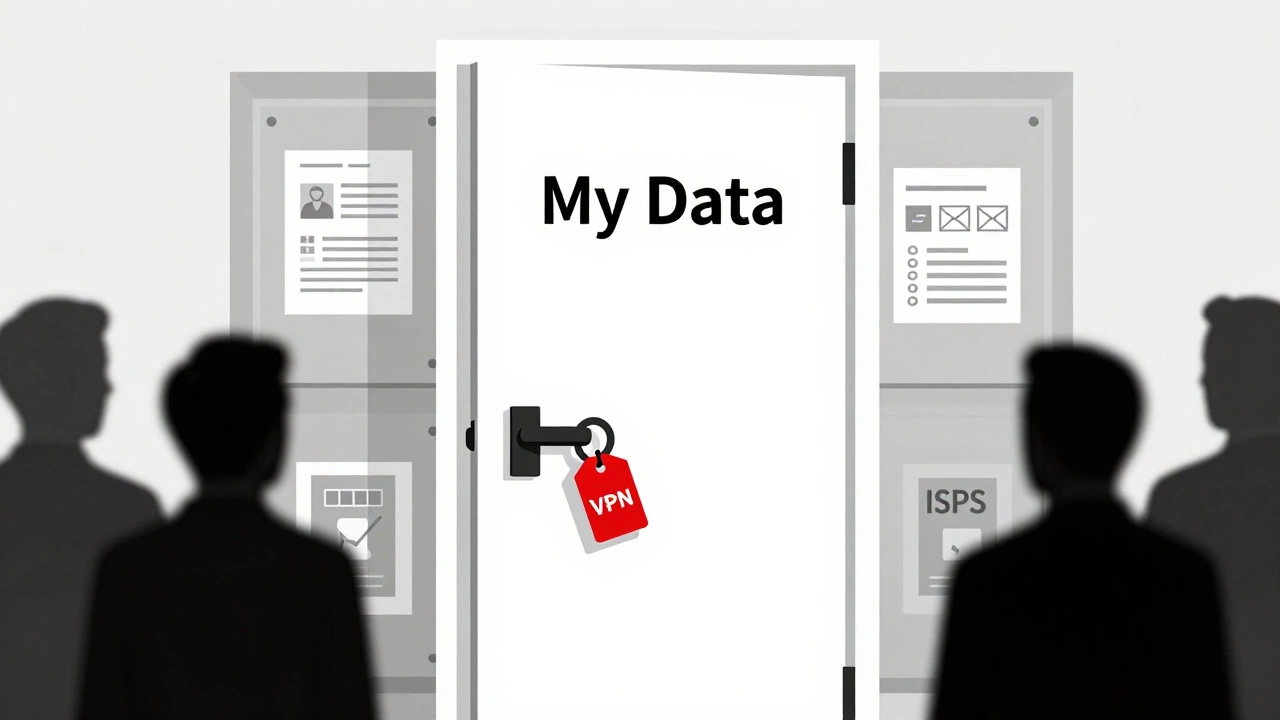
Without a VPN, you’re walking around with your digital wallet wide open. Here’s what you’re exposing:
- Your location - down to the street level, often tracked via Wi-Fi signals and cell towers
- Your browsing history - every site you’ve visited, every search you’ve made
- Your device fingerprint - your screen size, browser type, installed fonts - a unique ID that follows you everywhere
- Your financial activity - even if you’re not shopping, your bank login attempts are logged
- Your communications - emails, messages, even video calls can be intercepted on unsecured networks
And all of it is being sold. Companies like Acxiom and Experian build detailed profiles on over 90% of U.S. households. Similar practices exist globally. In Europe, data brokers are regulated - but enforcement is weak. In many places, there’s no regulation at all.
And yes - if you’ve ever typed european escort dubai into a search bar, you’ve added to that profile. Not because you did anything wrong - but because the system doesn’t care about your intent. It only cares about your data.
How to Get Started - No Tech Skills Needed
Setting up a VPN takes less than five minutes:
- Choose a reputable provider (like ProtonVPN, Mullvad, or IVPN - all audited, no-logs, based in privacy-friendly countries)
- Sign up and pay - use crypto if you want to stay anonymous
- Download the app for your device (Windows, Mac, iOS, Android, or even your router)
- Open the app and hit ‘Connect’
- That’s it. You’re protected
Most apps let you toggle the VPN on/off with one click. You can even set it to auto-connect when you join public Wi-Fi. No brainpower required.
Final Thought: Privacy Isn’t a Feature. It’s a Right.
Using a VPN isn’t about being paranoid. It’s about being aware. The internet wasn’t built for privacy. It was built for profit. Every click, every search, every login - it’s all harvested. And if you don’t take steps to protect yourself, you’re giving away your digital identity for free.
You don’t need to be a hacker to need security. You just need to care about your own data. And if you’ve ever looked up girls escort in dubai - you already know how easily your curiosity gets turned into a marketing profile. A VPN doesn’t judge. It just protects.